Beyond the postcard old town and the famous restaurants — small villages, working olive mills, sword dances, and the quiet rituals of island life.
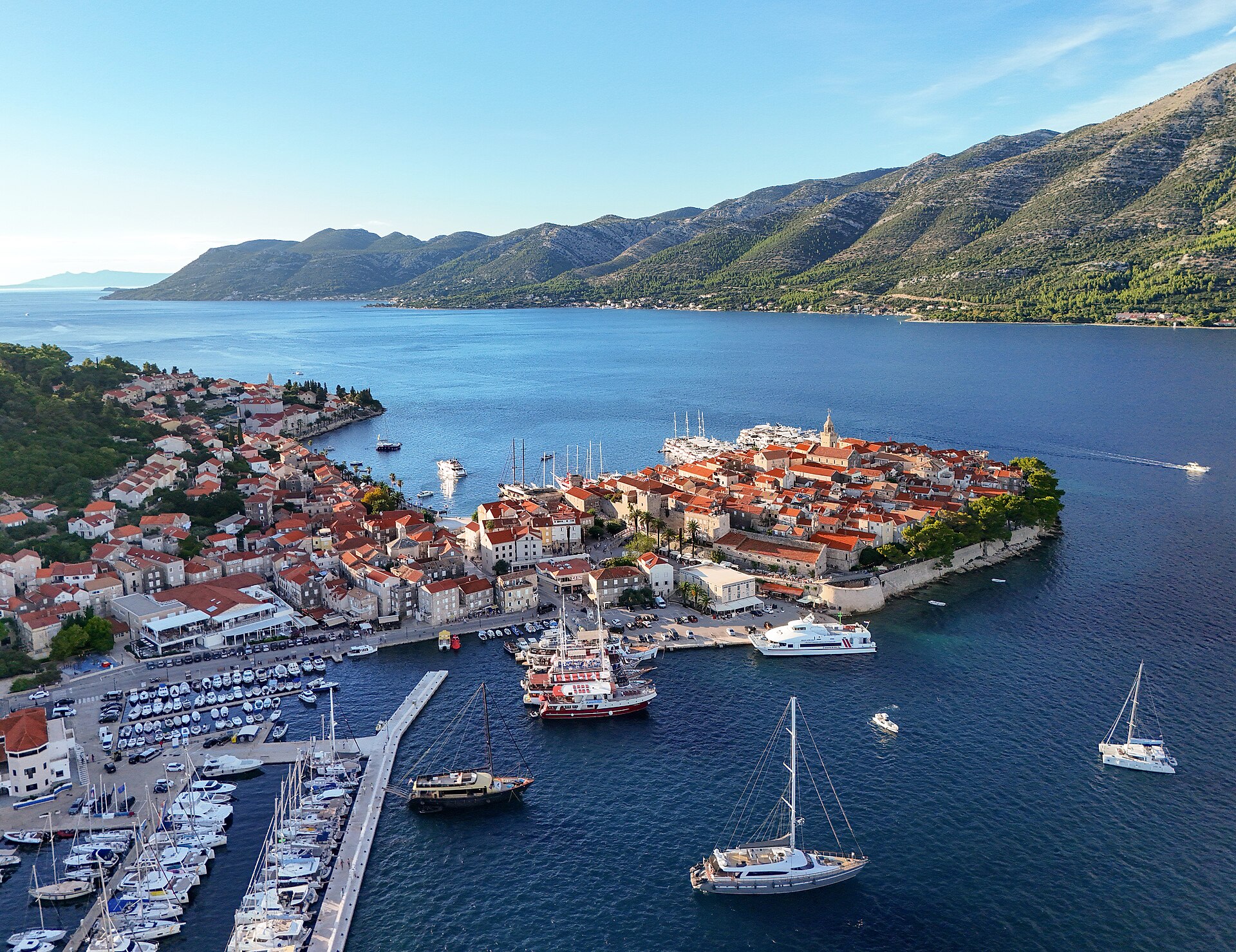
Korčula's old town gets the photographs, and rightly — it's one of the most beautiful walled towns on the Adriatic. But the island's real character lives somewhere quieter: in the inland villages, the olive groves, the small unmarked workshops, and the daily routines that haven't changed much in fifty years. To get to the second Korčula, you have to leave the first one behind for a day at a time.
The inland villages
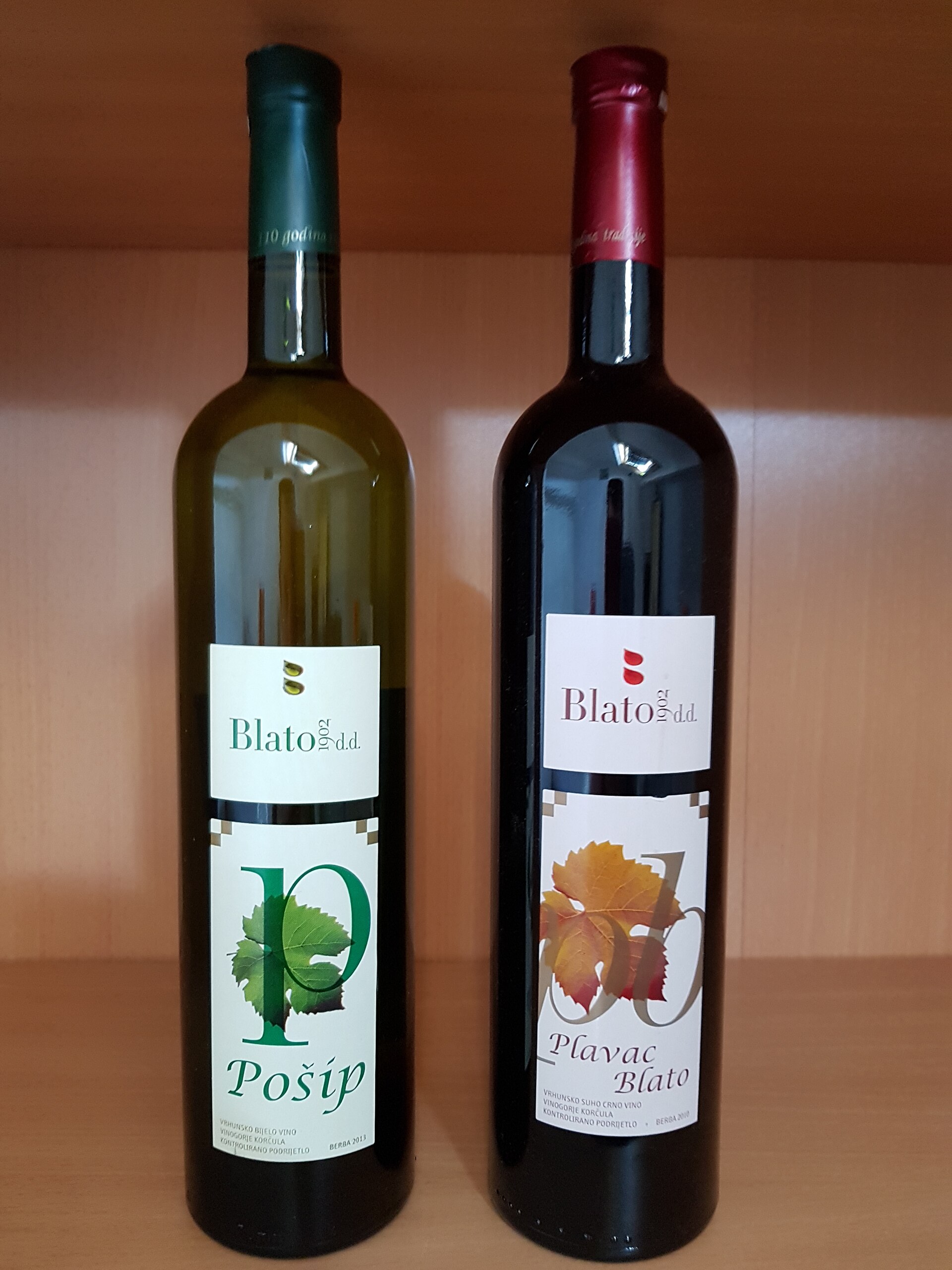
Drive ten or fifteen minutes inland from any coastal town and you're in a completely different island. Žrnovo, Pupnat, Čara, Smokvica, Blato — all small, all stone, all built around a church and a square and a single café. Each has a slightly different feel: Žrnovo is the closest to Korčula Town and the most lived-in; Blato is the largest, with a remarkable long avenue of lime trees; Smokvica is the wine village; Pupnat is the smallest and possibly the most beautiful.
Walk through one of them slowly. Buy bread at the village bakery. Sit in the square for half an hour. That's the whole programme. By the end of it you'll know more about the island than you will after a week of organised activities.
Olive mills
The harvest runs from late October into December and the small mills around Blato and Smokvica run day and night during the season. The smell, when you stand in the courtyard of one, is the smell of the whole island in one room.
Even off-season, several producers will let you taste and buy. Ask at the villa and we'll arrange a visit. The oil here is greener and more peppery than what you'll find in supermarkets at home, and a small bottle of it is the best souvenir you can take.
Moreška
The traditional sword dance, performed in Korčula Town on Mondays and Thursdays in summer, sometimes on other days for special occasions. Touristy in its current form — the audience is mostly visitors — but the dance itself is genuinely old, the costumes and choreography are unchanged for centuries, and watching it is exactly the kind of strange, slightly serious experience that travel used to be for. Go once.
The bell tower in Blato
Climb it on a clear afternoon. The whole western half of the island is laid out below you — the Pošip vineyards in straight green rows, the long avenue of lime trees that runs through the village, the bay of Vela Luka in the distance, Lastovo on the horizon if the air is right.
There's a small donation box at the bottom; leave a few euros. The man who looks after the tower will probably tell you about his great-grandfather, who also looked after it.
The Vela Spila cave
Above Vela Luka, an easy walk up through pine forest. People have lived here for more than twenty thousand years; the small museum at the entrance shows the bones, the pottery, the ash from the fires. Stand in the cave mouth, look out over the bay, and try to imagine somebody doing exactly that in the late stone age. It's the kind of moment that recalibrates what you think travel is for.
A village fiesta if you're lucky
Every village has a saint's day, and a few times each summer one of them will close the square, set up tables, light a peka, and have a party. If you find yourself in one of them on the right night, stay. You'll be the only foreigners, the food will be enormous, and somebody will play the accordion until two in the morning.
The boatyards of Brna
On the south coast, fifteen minutes from Vela Luka, there's still a small working boatyard where wooden fishing boats are built and repaired by hand. Walk past on a quiet afternoon and you can watch the work happening. There's no tour, no sign, no entry — it's not a tourist attraction. Which is exactly why it's worth seeing.
Sit somewhere a long time
The single best piece of advice for getting to know Korčula: pick a café in a village you've never been to, order a coffee, and stay for an hour. Don't read your phone. By the end of it you'll have heard three conversations in Croatian you don't understand, seen the same dog walk past twice, watched an old man have a long argument with a delivery driver about where to park, and understood something about the island that no guidebook will tell you.