Pošip, peka, fresh fish, and the slow lunches you'll think about for months. A practical guide to eating like a local on Korčula.
Korčula's food is straightforward — it's the ingredients that do most of the talking. Olive oil pressed two villages over. Fish caught that morning. Wine from grapes that grow nowhere else in the world. There's almost no place on the island where you can be served something complicated; the local kitchens don't really go in for it. What they do, they do extremely well.
Pošip — the white wine of the island
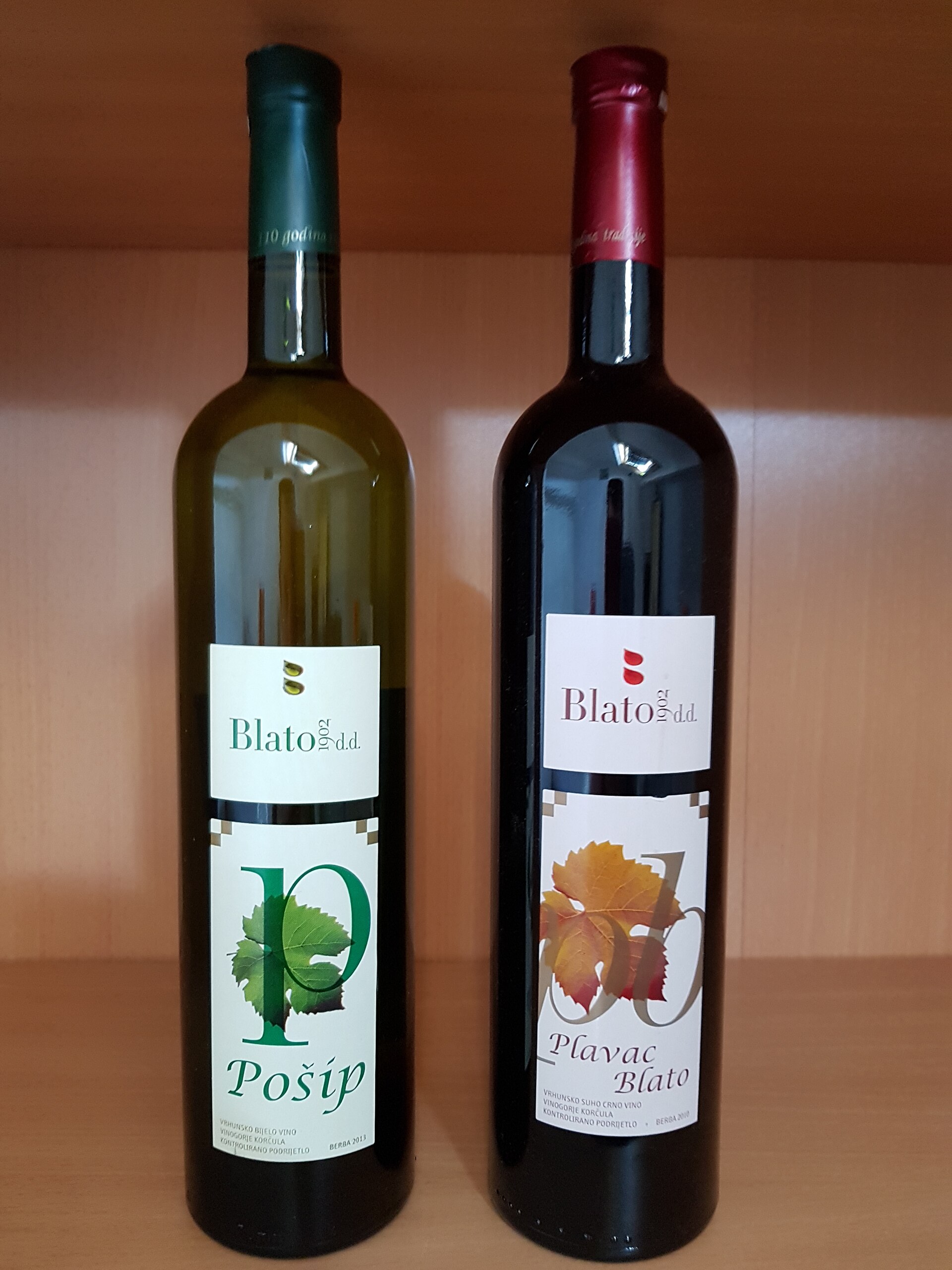
Pošip is the white grape Korčula is famous for, grown almost entirely on the Čara plain between Smokvica and Čara, fifteen minutes from Vela Luka. It's a serious wine — full-bodied, gently floral, with a saline finish that comes from the limestone — and it's the only thing you should be drinking with the fish here.
Krajančić is the producer who took Pošip seriously first and his tasting room in Čara is the most polished on the island; ask for the Sur Lie if you want to taste what the grape is really capable of. Toreta, ten minutes further on, is family-run and more old-school; you'll usually sit with one of the brothers and taste your way through whatever they're working on. Both will sell you bottles for between eight and fifteen euros — a third or less of what you'll pay in a restaurant. Call ahead by a day in shoulder season.
Plavac Mali — the red
Korčula's red is Plavac Mali, big and tannic, the same grape that makes Dingač on the Pelješac peninsula across the water. Best with grilled lamb or peka. Skaramuča in Lumbarda (eastern end of the island) is the producer to look for if you want a serious bottle to take home, but most of the konobas around Vela Luka pour a decent house Plavac by the carafe.
Peka
Octopus or lamb, slow-cooked for three hours under an iron bell buried in coals. The most local thing you can eat on this island, and you have to order it a day in advance because of the time it takes. Konoba Beppo near Vela Luka and Konoba Mate in Pupnat both do it well; Mate is worth crossing the island for.
It's not a quick lunch. Block out three hours, bring company, order a carafe of Plavac to start. The octopus version comes with potatoes, onions, garlic and rosemary that have been cooking in the juices the entire time and taste better than the octopus itself.
The fish you should order
Whatever's local that day — ask the waiter, who will tell you honestly. Common: orada (sea bream), brancin (sea bass), škarpina (scorpionfish, very good), zubatac (dentex, the most prized). Sold by the kilo, grilled simply, served with blitva (chard with potatoes and garlic) and a drizzle of olive oil. Don't ask for sauce; there isn't one and they wouldn't make you one if you did.
A whole fish for two people will cost between twenty and forty euros depending on what it is and the season. It's almost always the best thing on the menu.
Sardines and small things
If there's a plate of grilled small fish on the menu — srdele (sardines) or papaline (sprat) — order them as a starter. They're a euro or two a plate, eaten with the fingers, and a glass of cold Pošip transforms them into one of the best things you'll eat all week.
Pršut (the local cured ham) and a hard sheep's cheese from Pag or Smokvica are always a good start to a meal — they appear on most konoba menus, simple, perfect with bread and olive oil.
The olive oil
Korčula's olive oil is greener and more peppery than what you'll find in a supermarket at home. The local varieties — Lastovka, Drobnica — give a strong, bitter, almost grassy oil that wakes up tomato salads and grilled vegetables. Buy a small bottle to take home. The small mills around Blato will sell you a litre for ten or twelve euros, often unfiltered and cloudy in the bottle, which is exactly how it should be.
Harvest runs from late October into December and during that period the mills run day and night. Even off-season, the better producers will let you taste and buy directly.
The market
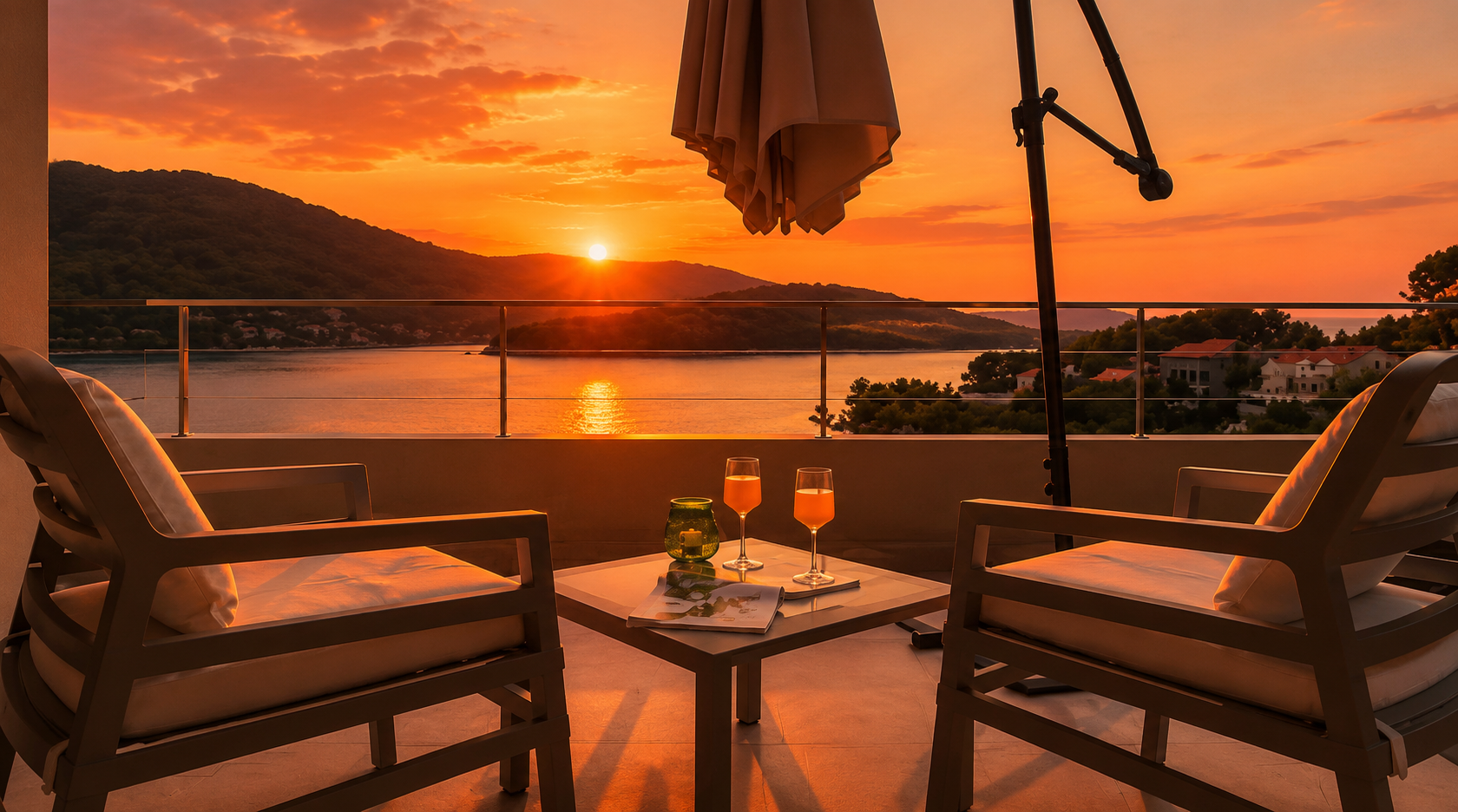
If you have a kitchen — and at Villa Belveder you do — go to the Vela Luka market on Tuesday or Friday morning. Tomatoes, figs, peaches, olive oil, hard cheese, bread from the bakery on the corner, sometimes capers and salted anchovies. Cook something simple, eat it on the terrace, open a bottle of Pošip. Some of the best meals on this island are the ones you make yourself.
A small list of don'ts
Don't order risotto in a fish restaurant unless it's the local crni rižot (black risotto with cuttlefish ink), which is very good. Don't order steak; the beef is imported and not the point. Don't drink the house white in carafes if there's a bottle of Pošip on the list. Don't expect dessert; if there's anything at all it'll be a small glass of travarica (herb brandy) on the house, which is the right way to end a meal here.